AI Citation Tracking measures where your brand is cited and mentioned across the six major AI engines over time. Learn the platforms to track, first- and third-party data, a tracking workflow, and how it differs from a one-time audit.
Posts & Updates

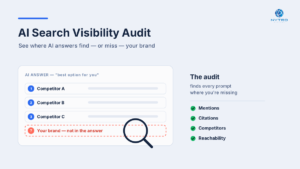
AI Search Visibility Audit: A Step-by-Step Framework
An AI Search Visibility Audit is a repeatable 6-step framework to see where your brand is missing from AI answers across ChatGPT, Claude, Gemini, Copilot, Perplexity and Grok, and to turn the gaps into an action plan.
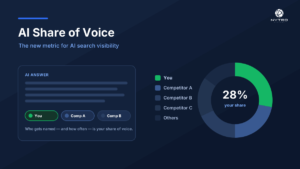
AI Share of Voice: The New Metric for AI Search Visibility
AI Share of Voice measures how often your brand appears, is cited, and owns the answer across AI engines. Learn the three lenses (mention, citation, answer), how it is calculated, the tools that measure it, and how to turn it into action.
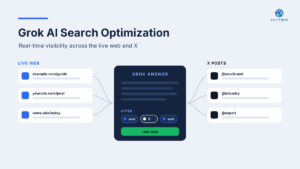
Grok AI Search Optimization: Real-Time Web and X-Integrated Visibility
Grok AI search optimization is about being the fresh, verifiable, reachable source Grok pulls from the live web and X when it answers in real time. Keep pages current, maintain an active X presence, cite sources, and stay crawlable.
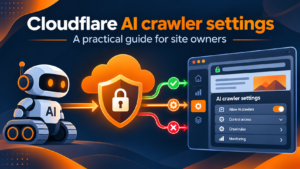
Cloudflare AI crawler settings A Practical Guide for Site Owners
AI crawlers no longer have a single purpose. Some gather pages for search-like discovery, some retrieve content to answer a user’s immediate question, and others collect material for model training.…
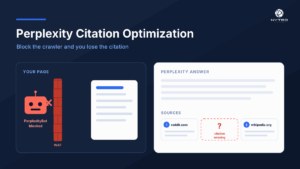
Perplexity Citation Optimization: Crawler Access, Freshness, and the Pay-Per-Citation Era
Perplexity citation optimization is about being reachable and citable by Perplexity: crawler access past robots.txt and the WAF, fresh content, extractable answers, and what the pay-per-citation model means for publishers.
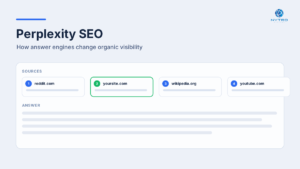
Perplexity SEO: How Answer Engines Change Organic Visibility
Perplexity SEO is optimizing to be cited as a numbered source in an answer engine, not to rank a blue link. It rewards direct answers, evidence and credibility, freshness, and clear structure, and it changes how organic visibility is won and measured.
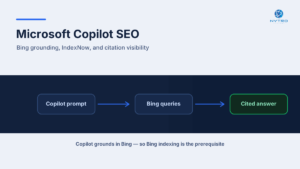
Microsoft Copilot SEO: Bing Grounding, IndexNow, and Citation Visibility
Microsoft Copilot SEO is getting your content into Bing’s index and structured so Copilot can ground its answers in it and cite you. Confirm Bing indexing, use IndexNow for freshness, and write extractable answers.
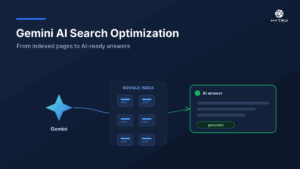
Gemini AI Search Optimization: From Indexed Pages to AI-Ready Answers
Gemini AI search optimization prepares your content so Google’s Gemini can find, trust and use it. Because Gemini’s grounded answers run on Google’s index, it starts with indexing, structure, entity clarity and schema, one foundation that also feeds AI Overviews, AI Mode and Deep Research.
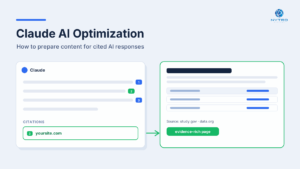
Claude AI Optimization: How to Prepare Content for Cited AI Responses
Claude AI optimization makes your content reachable by Claude’s search crawler and credible enough to be cited. Allow Claude-SearchBot, tell ClaudeBot, Claude-SearchBot and Claude-User apart, and write verifiable, well-sourced, precise, balanced content Claude will reference.
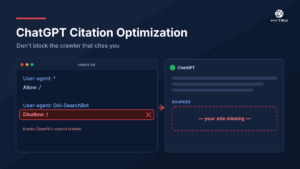
ChatGPT Citation Optimization: OAI-SearchBot, Source Signals, and Citable Content
ChatGPT citation optimization makes your site reachable by OAI-SearchBot and worth citing. The crawler differences (GPTBot, OAI-SearchBot, ChatGPT-User), source signals, and a robots.txt checklist.
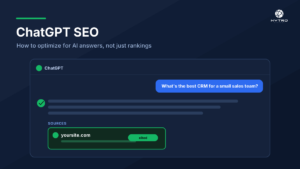
ChatGPT SEO: How to Optimize for AI Answers, Not Just Rankings
ChatGPT SEO is the practice of making your site a source ChatGPT retrieves, trusts and cites. How its search retrieves and cites content, the content signals that win citations, and how to measure it.
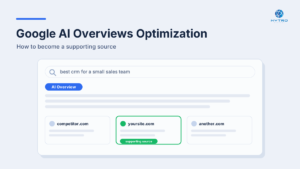
Google AI Overviews Optimization: How to Become a Supporting Source
Google AI Overviews optimization makes your page a supporting source the overview cites: indexing, snippet controls like nosnippet and max-snippet, non-commodity content, and Search Console measurement.
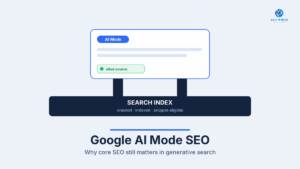
Google AI Mode SEO: Why Core SEO Still Matters in Generative Search
Google AI Mode SEO is ordinary SEO aimed at a new surface: AI Mode runs on the Search index, so indexing, snippet eligibility and quality are the entry ticket. The myths, the facts, and what actually changed.
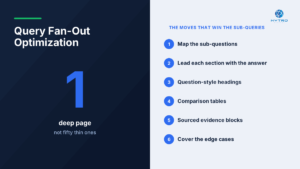
Query Fan-Out Optimization: Answer the Hidden Sub-Queries Without Spamming
Query fan-out optimization structures one deep page to answer the many hidden sub-queries behind a prompt, without tipping into scaled content abuse. The techniques, the policy line, and how to measure it.
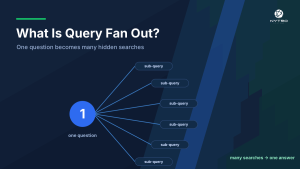
What Is Query Fan Out? A Practical Guide for SEO and AI Search Teams
Query fan out is the retrieval technique where an AI search system breaks one question into many sub-queries and synthesizes one answer. What it is, how it works, and how to optimize without spamming.
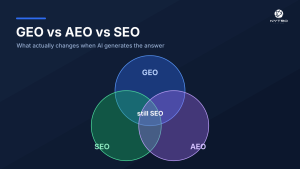
GEO vs AEO vs SEO: What Actually Changes When AI Generates the Answer
GEO vs AEO vs SEO explained: what each optimizes for, where they diverge, why roughly 80% of the work is shared, and how to apply all three as one page process.
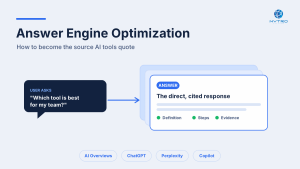
Answer Engine Optimization: How to Become the Source AI Tools Use
Answer Engine Optimization structures content so AI answer engines extract a direct answer from your page and cite you as the source. How answer engines choose sources, the techniques, schema, and measurement.
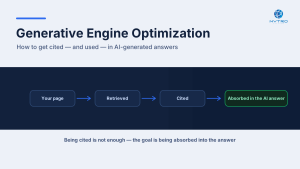
Generative Engine Optimization GEO: How to Improve Visibility in AI-Generated Answers
Generative Engine Optimization (GEO) structures content so generative engines both cite and absorb it into AI-generated answers. How absorption is earned, the best practices, and how to measure it.
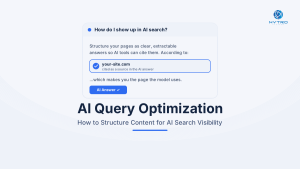
AI Query Optimization: How to Structure Content for AI Search Visibility
AI query optimization structures your content for how people ask AI tools and how those tools decompose and answer questions, so your pages get extracted and cited inside AI-generated answers.
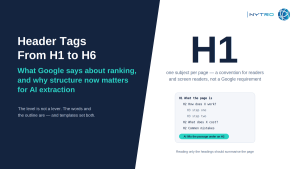
Header Tags From H1 to H6: What Google Says About Ranking, and Why Structure Now Matters for AI Extraction
Header tags are a strong signal of what a section is about, and Google says the level matters little for ranking. Why hierarchy now matters for screen readers and AI answers, how to write headings that get lifted, and how to audit them at scale.
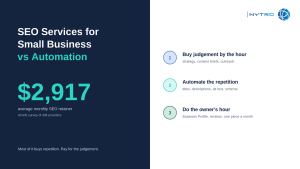
SEO Services for Small Business vs Automation: What to Buy, What to Automate, and What to Do Yourself
Seo services for small business bundle judgement with repetition at one monthly price. What the market charges, what Google’s updated hiring guidance warns about, which tasks to buy, which to automate, and the owner’s hour a week.
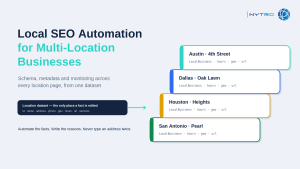
Local SEO Automation for Multi-Location Businesses: Schema, Metadata and Monitoring Across Every Location Page
Local seo automation keeps every location page’s LocalBusiness schema, metadata and NAP consistent from one dataset. How to generate schema per location, write pages that avoid the doorway policy, monitor drift, and show up in AI answers.
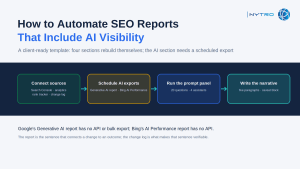
How to Automate SEO Reports That Include AI Visibility: A Client-Ready Template
To automate seo reports you can connect Search Console, analytics and your metadata exports; the AI visibility section still needs a scheduled export because Google’s Generative AI report has no API. A five-section template and the honest workflow.
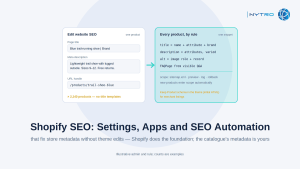
Shopify SEO: Settings, Apps and SEO Automation That Fix Store Metadata Without Theme Edits
Shopify seo starts with what the platform handles and what it does not: duplicate collection URLs, no title templates, thin collections. The settings to fix first, how to add FAQ schema, and how to apply metadata in bulk without theme edits.
SEO Automation for Ecommerce Catalogs: Push Metadata to Thousands of Product Pages Without Platform Edits
Seo automation for ecommerce catalogs applies titles, descriptions, canonical rules, alt text and Product schema to every product page by rule. Why catalogs break at scale, why product pages go unindexed, and what AI shopping agents read.
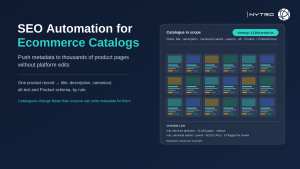
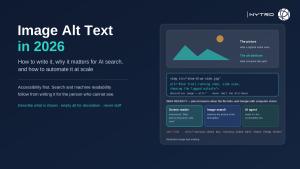
Image Alt Text in 2026: How to Write It, Why It Matters for AI Search, and How to Automate It at Scale
Image alt text is the text alternative screen readers announce and search and AI systems read. How to write it, which images need it, why it now matters for AI search, and how to automate the missing thousands without stuffing.
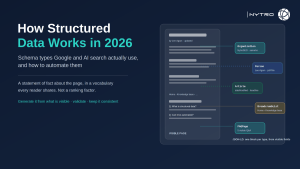
How Structured Data Works: Schema Types Google and AI Search Actually Use, and How to Automate Them
Structured data is machine-readable code that describes a page’s entities. Which schema types Google still rewards, what its AI features do and do not need, how to automate structured data across a site, and the guardrails that keep it safe.
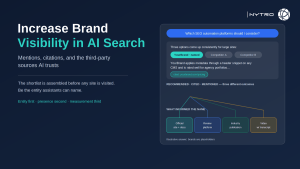
How to Increase Brand Visibility in AI Search: Mentions, Citations and the Third-Party Sources AI Trusts
To increase brand visibility in AI search, be the entity assistants can name: consistent official pages, mentions on the sources they trust, and a way to measure it. What Ahrefs’ 75,000-brand study shows and a 90-day plan.
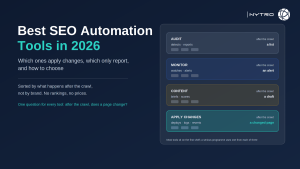
Best SEO Automation Tools: Which Ones Apply Changes, Which Only Report, and How to Choose
The best seo automation tools in 2026, sorted by what they do after the crawl: audit, monitor, or apply changes to live pages. A twelve-feature checklist, where each category fits, and a two-week evaluation plan.
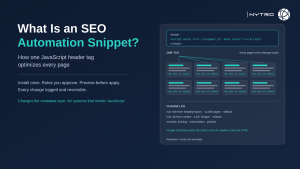
What Is an SEO Automation Snippet? How One JavaScript Header Tag Optimizes Every Page
What is an SEO automation snippet? A small script in your site header that applies approved titles, descriptions, alt text and structured data at load, on any CMS. How it works, what Google reads, what it cannot do, and how to keep it safe.
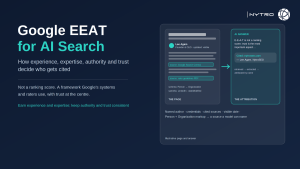
Google EEAT (E-E-A-T) for AI Search: How Experience, Expertise, Authority and Trust Decide Who Gets Cited
Google EEAT is not a ranking score; it is the quality framework Google’s systems and raters use, with trust at the centre. What the EEAT guidelines actually say, how E-E-A-T shows up in AI answers, and which signals you can automate.
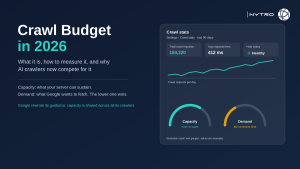
Crawl Budget: What It Is, How to Measure It, and Why AI Crawlers Now Compete for It
Crawl budget is the set of URLs Google can and wants to crawl on a site. What Google’s rewritten July 2026 guidance says, who actually has a problem, how to measure it in Crawl Stats and logs, seven fixes, and how AI crawlers compete for it.
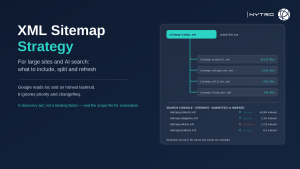
XML Sitemap Strategy for Large Sites and AI Search: What to Include, Split and Refresh
An xml sitemap announces URLs and when they changed; it does not force crawling. What Google reads and ignores, how to split large sites with an index, what to exclude, and how it scopes automation.
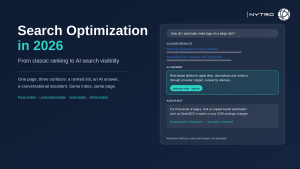
The Ultimate Guide to Search Optimization: From Classic Ranking to AI Search Visibility
Search optimization now means being found in classic results and cited in AI answers. How Google search works in 2026, the four pillars, what to automate, and a 30-day starter plan with linked guides.
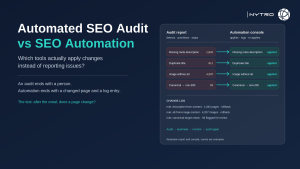
Automated SEO Audit vs SEO Automation: Which Tools Actually Apply Changes Instead of Reporting Issues?
An automated seo audit finds problems; SEO automation fixes them. The four tool categories, how automated tools actually apply changes to a website, why you still need both, and a decision matrix by site size.
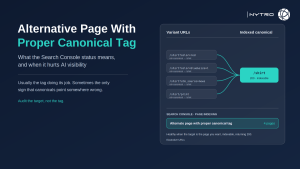
Alternative Page With Proper Canonical Tag: What Search Console Means and When It Hurts AI Visibility
Alternative page with proper canonical tag is the Search Console status for a duplicate Google resolved to your canonical URL. When it is healthy, when it hides a problem, and how to audit canonicals at scale.
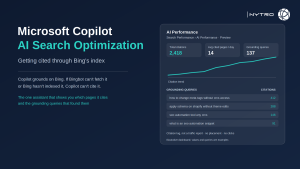
Microsoft Copilot AI Search Optimization: Getting Cited Through Bing’s Index
Microsoft Copilot AI Search Optimization means getting cited through Bing’s index. How Copilot picks sources, what Bing’s AI Performance report shows, where it differs from Google, and a one-week checklist.
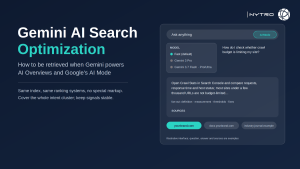
Gemini AI Search Optimization: How to Be Retrieved When Gemini Powers AI Overviews and Google’s AI Mode
Gemini AI Search Optimization means being retrieved and cited when Gemini models power AI Overviews, AI Mode and the Gemini app. How Gemini picks sources, what changed in 2026, and a no-markup checklist.
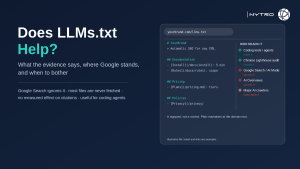
Does LLMs.txt Help? What Evidence Says, Where Google Stands, and When to Bother
Does LLMs.txt help? Google says Search ignores it, Ahrefs found 97% of the files are never fetched, and SE Ranking found no link to AI citations. What the file is, who reads it, and when to bother.
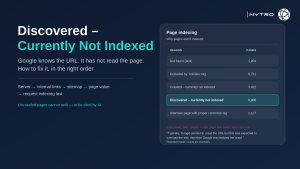
Discovered Currently Not Indexed: How to Fix It, and Why Uncrawled Pages Stay Invisible to AI Search
Discovered currently not indexed means Google knows the URL but has not crawled it. What causes it, how it differs from crawled not indexed, the order to fix it in, and why it keeps you out of AI answers.
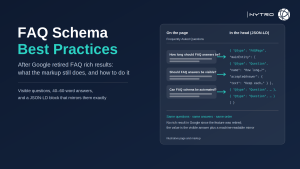
FAQ Schema Best Practices After Google Retired FAQ Rich Results: How to Implement FAQ Schema
Google retired FAQ rich results in May 2026. These faq schema best practices explain what FAQPage markup still does, how to implement it from visible questions, and how to keep it honest at scale.
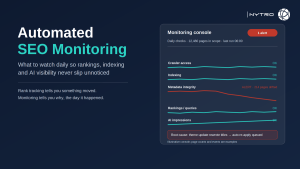
Automated SEO Monitoring: What to Watch Daily So Rankings, Indexing and AI Visibility Never Slip Unnoticed
Automated seo monitoring watches the causes behind ranking changes: indexing drops, overwritten titles, blocked crawlers and falling AI impressions. What to monitor, how often, and what to do after an alert.
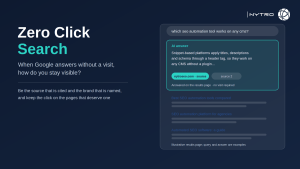
Zero Click Search: What It Means When Google Answers Without a Visit, and How to Stay Visible
Zero click search is when the answer appears on the results page and nobody visits a site. What Pew’s data shows, which pages still earn clicks, and how to measure it when the citation replaces the visit.
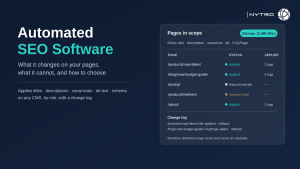
Automated SEO Software: The Guide to What It Does, What It Changes on Your Pages, and How to Choose
Automated SEO software applies titles, descriptions, canonical hints, alt text and schema across every page without editing your CMS. What it changes, what it can’t, and a 12-point checklist to choose it.
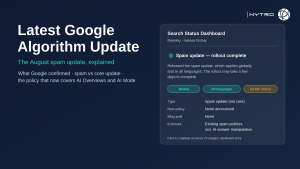
Latest Google Algorithm Update: The Spam Update and Google’s New Rule on Manipulating AI Overviews
The latest google algorithm update is the August 2026 spam update, complete on 21 August. What it enforced, how it differs from a core algorithm update, and why the policy now covers AI Overviews.
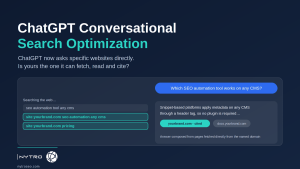
ChatGPT Conversational Search Optimization After the Retrieval Change
ChatGPT Conversational search optimization changed in August 2026 when ChatGPT began querying specific domains directly. What moved, why official sites gained citations, and six site fixes that matter now.
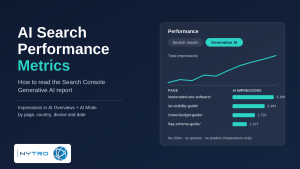
How to Read the Search Console Generative AI Report: AI Search Performance Metrics That Matter
How to read the Search Console Generative AI report: the ai search performance metrics it gives you, the clicks and queries it hides, and how to turn AI impressions into an ai search visibility strategy.
How to Scale an SEO Agency With the Right Software for SEO Agencies
Agencies plateau because delivery hours scale with client count. Here is how to remove that ceiling – systematize audits, on-page, monitoring, and reporting, keep strategy human, and price the freed capacity as margin.
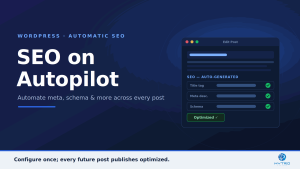
Automatic SEO WordPress: The Complete Guide to Automating On-Page SEO
WordPress makes publishing easy and SEO repetitive. This complete guide covers what to automate – metadata, schema, alt text, sitemaps – the plugin vs snippet approaches, a one-hour setup, and how to scale it to thousands of posts.